
This FIP is coordinated by CeDePesca since August 2025.
Fishery Improvement Project
Last Update: January 2026
Specie: Caribbean Spiny Lobster (Panulirus argus)
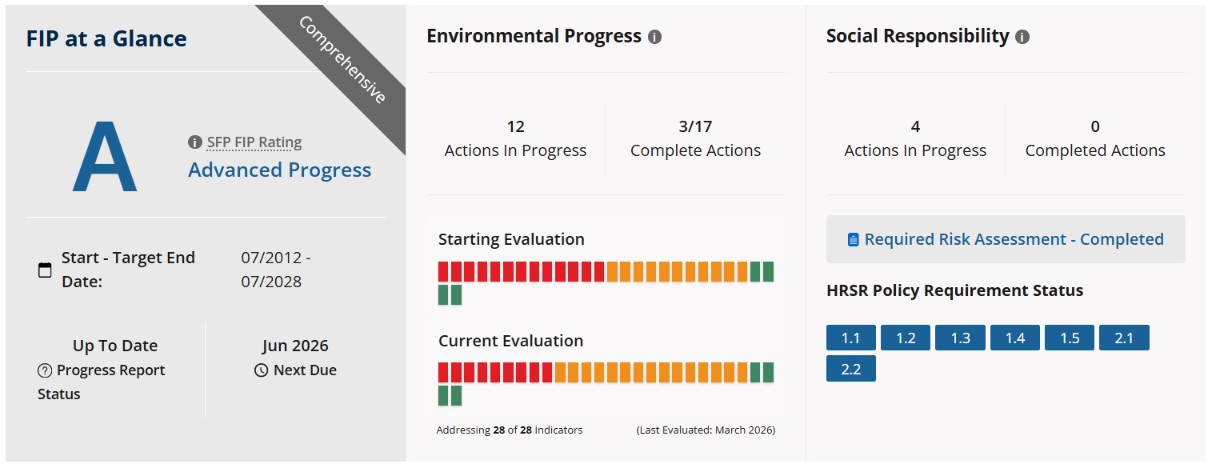
FIP Stage according to CASS progress table: 5, Improvements on the Water.
FIP Rating according to SFP rating system: A (Advanced progress, July 2026).
FIP Profile at FisheryProgress.org: Honduras Caribbean spiny lobster – trap (June 2019)
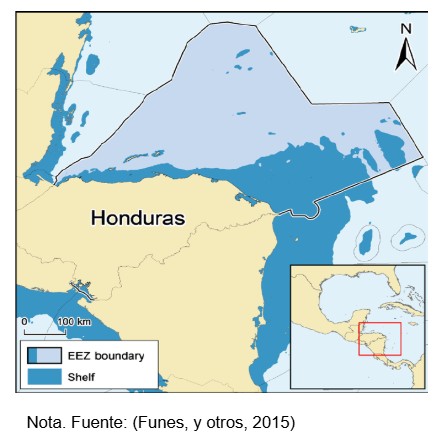
Fishery location: Honduras Exclusive Economic Zone (EEZ) Honduras
FIP Coordination: If you would like more information about this FIP or if you wish to support it, please contact Nathaly Cardona.
FIP Participants:
- Industria Pesquera y Camaronera de Guatemala S.A. (Indupecasa)
USA Importers and wholesalers:
- Netuno USA
- Mark Foods LLC
- Casile INC
- Tequesta Bay Foods
- CeDePesca (technical support)
Quick view
| Categories: | Shrimp, Lobster and Crab |
| Last Update: |
January 2026
|
| Specie: | Caribbean Spiny Lobster (Panulirus argus) |
| FIP Stage according to CASS progress table: |
5, Improvements on the Water
|
| FIP Rating according to SFP rating system: |
A (Advanced progress, July 2026)
|
| Fishery Location: | Honduras Exclusive Economic Zone (EEZ) Honduras. |
Background
The Caribbean spiny lobster (Panulirus argus) fishery using traps in the Caribbean has historically been a source of employment for hundreds of fishermen and processing plants focused on the seafood trade in the domestic market and exports to various countries, primarily the United States. Currently, there are warning signs regarding the overexploitation of this fishery resource. This has led to problems such as a lack of reliable data for population assessments, identification of the impact of trap uses on habitats and the marine ecosystem in general, weaknesses in monitoring, control, and surveillance (MCV) to reduce IUU fishing, and a limited legal framework for fisheries regulations and their enforcement, which hinders decision-making in management. However, the General Directorate of Fisheries and Aquaculture (DIGEPESCA), in its capacity as the implementing body for fisheries in the country, through the fisheries improvement project (FIP) and with the participation of actors related to the sector and FIP partners, is addressing the challenges faced by this fishery in accordance with the MSC Standard.
FIP Objectives;
The goal of the Honduras lobster FIP is to move the fishery in a step-wise approach towards meeting the Marine Stewardship Council (MSC) standard by July 2028, and move into the full assessment process to achieve MSC certification after that. Critical issues challenging this fishery include a lack of robust data to inform stock status and management decisions, limited information on impacts of lobster traps on marine habitats and ecosystems, an ineffective legal management framework, and limited resources to enforce fishing regulations. To address these issues, the FIP plans to achieve the following objectives by July 2028:
- Improve collection of catch data from the trap and dive fisheries to inform the lobster stock assessments.
- Develop a robust stock assessment model against established target and limit reference points that will be applied regularly at the regional level across Honduras-Nicaragua (shared stock).
- Develop a fishery management plan and harvest strategy, and establishing harvest control rules and tools.
- Improve collection of bycatch data, analyzing the impact of the fishery on bycatch species, and implement management measures to minimize mortality of bycatch species as needed.
- Determine the impact of the Honduras lobster trap fishery on the habitat and ecosystem, and if necessary, implement management measures to minimize the impact.
- Develop inclusive consultation procedures to ensure broad stakeholder participation in management of the fishery.
- Estimate the level of IUU fishing that is occurring and strengthen enforcement to combat IUU fishing.
- Monitor and evaluate the performance of the fishery management system.
Progress Update
2025
January – July
In October 2024 it was decided that WWF will no longer lead this FIP, and a transition process will follow up until August 2025 when a new leading organization CeDePesca take the leadership of the FIP. Therefore, one last activity was identified to be implemented with the remaining funds available under the Honduran FIP so Dr. Eloy Sosa Cordero was hired in April 2025, to make an update of the lobster fishery in Honduras, to improve stock assessment with the Honduran information and data provided by DIGEPESCA and using a different model of stock assessment, to estimate precautionary parameters to be consider to complete the lobster management plan (harvest control rules & reference points). For a week, Dr. Sosa conducted a one week in person training course-workshop to strengthen institutional capacities of technical personnel from national fishing authority DIGEPESCA, with participants from academia-UNAH and CeDePesca.
The process to officialize and implement a lobster management plan was expected for season 2025-2026 but is delayed. However, the new comments to the management plan draft version received from organizations that are part of the National Lobster Committee such as (FAO, CEM, UNAH and Merchant Marine) has to be included to the preliminary version revised by DIGEPESCA in 2023. Currently under a consultancy WWF hired Dr. Eloy Sosa who is working to estimate the preliminary precautionary reference points, MSY, and harvest control rules gears toward defining catch quotas (annual, biologically accepted quota, and the catch effort for the Honduran fishery) with those expected to be submitted by September 2025 will update the preliminary version document of the lobster management plan, with all this new information included, DIGEPESCA will socialize the updated proposal with the lobster fishing industrial stakeholders fishermen and exporters.
After several years, In December 2024 DIGEPESCA reactivated the Geographic Information System for Monitoring Honduran Fishing Vessels (SIGMEPH) as a tool for MCS as to assist and enforce penalties that will provide effective deterrence against IUU fishing vessels that combined with the surveillance activities at sea that are supported by patrol boats from FNH (Honduran Naval Force) in the fishing grounds in the Exclusive zone and coastal waters. Honduras efforts against IUU are advanced and in process to subscribe the Port State Measures Agreement to combat IUU fishing, DIGEPESCA officers to strengthen institutional capacities on the application of this agreement have received several trainings.
M40 DIGEPESCA has started the systematizing infractions for illegal, unreported, and unregulated (IUU) fishing into databases for Honduras. The information is processed on excel spread sheets.
DIGEPESCA has implemented since present season 2025-2026 a Traceability Guide of origin and transport for the spiny lobster (Panulirus argus) resource for nursing or transport vessels, and it’s mandatory these guides are signed by regional officers and vessels need to have a license issue by DIGEPESCA to transport lobster, to implement traceability of the legal origin of lobster.
DIGEPESCA has advanced in reviewing key components on the management of the lobster trap fishery, and established under Decree of SAG 86-2025 new requirements related to the disposal of traps at the end of the fishing season, in which depositing and accumulation of traps in the Miskito Cays is prohibited. If the origin of such a trap is verified, a corresponding administrative procedure will be opened for IUU fishing. In addition, a guide to conduct traceability of spiny lobster fishery products from catch origin to transport along the supply chain was established on July 1rst. A comprehensive evaluation of the fishery management system will happen once the new lobster management plan is finalized and officially adopted.
